

Facing a denied or complicated property damage claim can leave Atlanta homeowners and small business owners feeling uncertain and frustrated, especially with the sweeping changes brought by Georgia’s 2025 tort reform laws. Whether your property suffered from storm damage, fire, or another disaster, recent legal reforms mean new rules and stricter claim procedures now guide your recovery process. Understanding your insurance claim rights under these updated standards is now the key to a fair settlement and protecting your property investment.
Table of Contents
- Insurance Claim Rights And Recent Changes
- Types Of Property Damage Claims In 2025
- Understanding Georgia’s New Tort Reform Law
- Role Of Public Adjusters In Claims Process
- Protecting Your Rights After A Denied Claim
Key Takeaways
| Point | Details |
|---|---|
| Understanding New Rights | Recent tort reforms in Georgia have established clearer rules for filing insurance claims, protecting your right to recover for legitimate property damage. |
| Importance of Documentation | Gather detailed evidence, including photos and repair estimates, as documentation now holds greater weight in claim evaluations. |
| Faster Claim Processes | New procedural reforms aim to reduce unnecessary delays, enabling quicker resolution of claims and settlement negotiations. |
| Professional Representation Benefits | Hiring a public adjuster can maximize your settlement, as they navigate the complex new legal standards on your behalf. |
Insurance Claim Rights and Recent Changes
Georgia’s insurance landscape shifted significantly in 2025. Understanding what changed and how it affects your rights is critical when filing a claim.
In April 2025, Georgia passed comprehensive tort reform legislation designed to balance the legal environment while protecting legitimate claims. This wasn’t about taking rights away—it was about creating fairness for homeowners with genuine losses.
What Changed in Your Rights
Several key changes now affect how insurance claims work in Georgia:
- Discovery procedures have been adjusted during motions to dismiss, which can speed up claim resolution
- Premises liability standards shifted, affecting what property owners must prove
- Damage arguments now follow stricter guidelines, particularly regarding noneconomic damages
- Procedural transparency increased, giving you clearer visibility into the claim process
These changes apply to both ongoing cases and new claims filed in 2025 and beyond.
Your right to recover for legitimate property damage remains protected under Georgia law—the reforms simply established clearer rules for how claims are evaluated.
How This Affects Your Claim
If your home or business suffered fire, water, storm, hail, or other covered losses, these changes mean:
Your insurer must follow more structured procedures when reviewing your claim. Insurers can’t use vague tactics to justify low settlements—they must apply consistent standards.
Your settlement negotiations may move faster now. The procedural reforms reduce unnecessary delays in the discovery process, which means less time in dispute limbo.
Your documentation becomes even more important. With stricter standards for damage arguments, detailed photographic evidence, repair estimates, and professional assessments carry more weight.
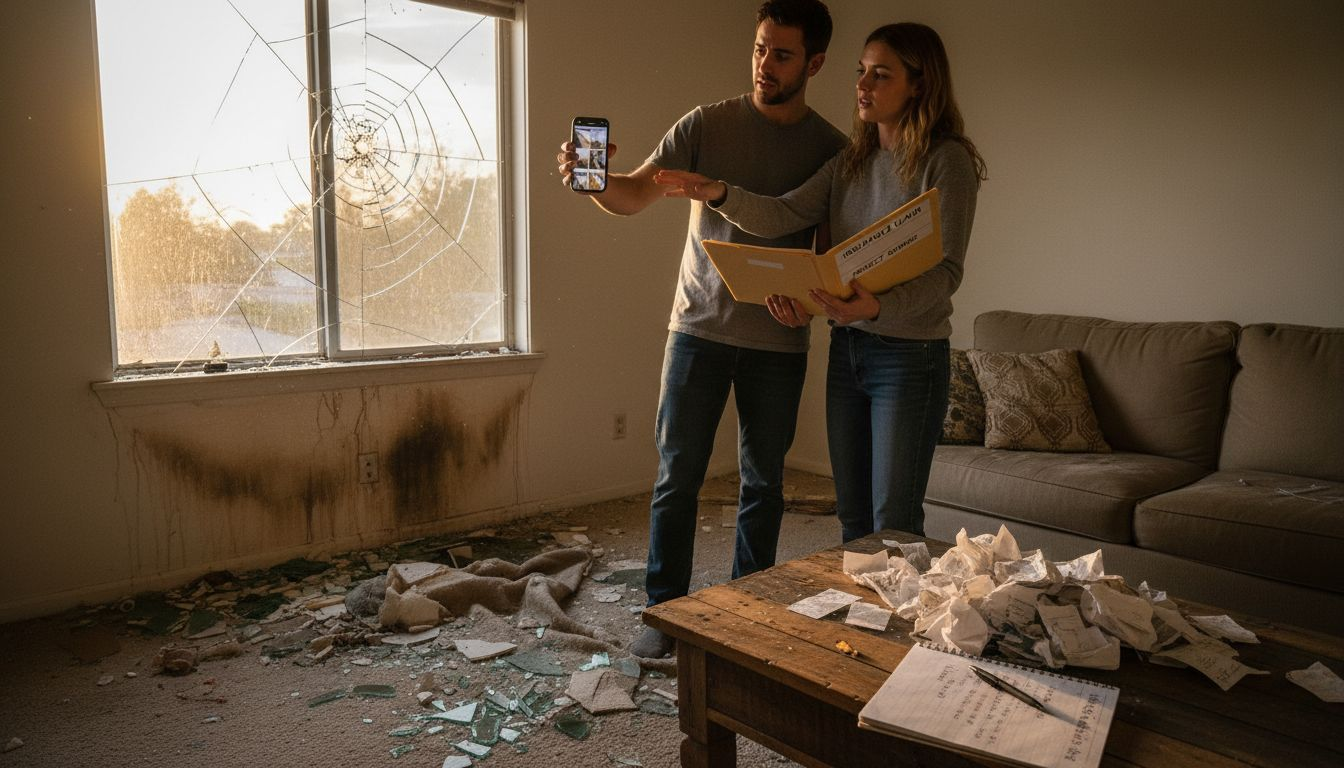
When presenting your claim, proper insurance claim negotiation strategies help you navigate these new standards effectively. Insurers must justify their decisions using the new legal framework, giving you clearer grounds to challenge inadequate offers.
What You Should Do Now
Document everything if you haven’t already. Photographs, videos, receipts, and professional damage assessments now have stronger evidentiary value under the new standards.
Understand your policy thoroughly. The clearer legal framework means your policy language matters more in claim determinations.
Don’t accept lowball offers without challenge. The reformed procedures mean insurers have less wiggle room in their reasoning.
Consider professional representation early. Public adjusters understand how Georgia’s new legal standards affect claim valuations and settlement negotiations.
Pro tip: Keep a detailed timeline of all communication with your insurer, including dates, names, claim numbers, and specific reasons given for any denials or reduced settlement offers—this documentation becomes crucial evidence under Georgia’s new transparency requirements.
Types of Property Damage Claims in 2025
Property damage claims in Georgia cover different types of losses, and knowing which category your situation falls into helps you understand what to expect from your insurer.
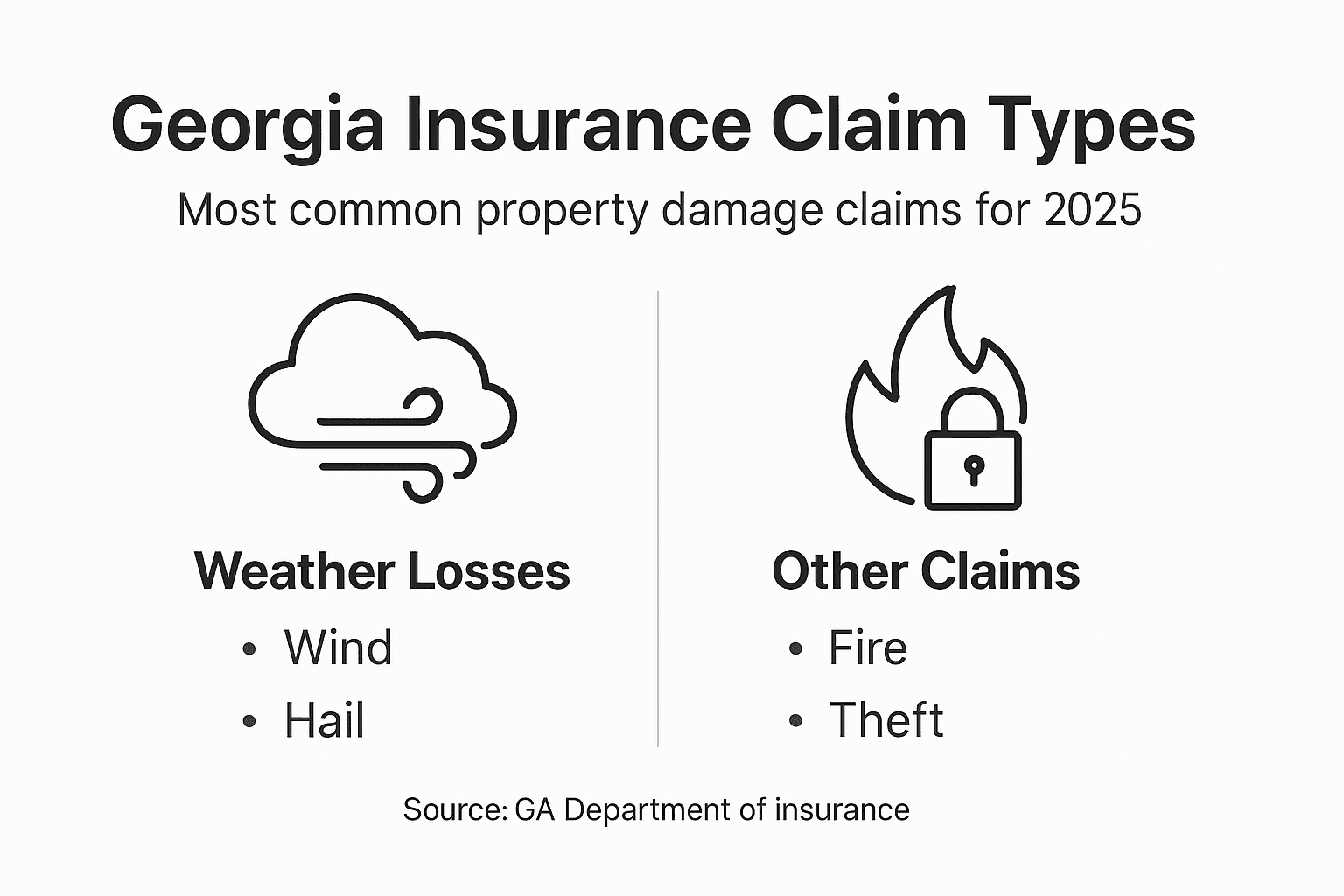
The most common claims Atlanta homeowners and business owners file involve weather-related disasters, structural damage, and accidents. Understanding these categories matters because each has different documentation requirements and settlement considerations.
Weather and Natural Disaster Claims
Storms, hail, wind, and flooding remain the leading causes of property damage claims. Weather-related disasters drive significant insurance losses through infrastructure damage and costly repairs.
Here’s what typically qualifies:
- Hail damage to roofs, siding, and vehicles
- Wind damage from storms and hurricanes
- Water damage from heavy rain and flooding
- Lightning strikes to structures and electrical systems
- Ice damage from winter weather events
Georgia’s severe spring storms and summer thunderstorms generate thousands of claims annually. Document damage immediately with photos and video before cleanup begins.
Flood damage often surprises homeowners because standard policies don’t cover it—you need separate flood insurance, yet most people underestimate this risk until loss occurs.
Fire and Smoke Claims
Fire damage claims involve extensive losses to structures, contents, and sometimes neighboring properties. These claims require detailed documentation of what was destroyed versus what was damaged but salvageable.
Smoke damage claims can be tricky. Smoke often penetrates walls, insulation, and personal items, creating hidden damage that appears minor initially but becomes extensive over time.
Water Damage Claims
Water damage includes burst pipes, appliance leaks, roof leaks, and plumbing failures. These differ from flood claims, which require separate coverage.
Document the source and extent carefully. Insurance companies scrutinize water claims closely because preventing water damage through maintenance is considered your responsibility.
Vandalism and Theft Claims
Intentional damage to your property or criminal theft qualify as separate claim types. These require police reports and proof of ownership for stolen items.
Vandalism claims often involve broken windows, graffiti, or deliberate property destruction. Securing the property immediately after vandalism prevents additional loss.
Getting Your Claim Right
When filing any property damage claim, understanding how to file a property damage claim ensures you include necessary documentation from day one.
Each claim type requires specific evidence. Photos, repair estimates, purchase receipts, and professional damage assessments strengthen your position significantly.
Compare the most common property damage claim types in Georgia:
| Claim Type | Typical Causes | Documentation Needs |
|---|---|---|
| Weather/Natural | Hail, wind, flood, storms | Photos, repair estimates, weather reports |
| Fire/Smoke | Electrical faults, accidents | Inventory lists, before/after photos |
| Water (non-flood) | Leaks, burst pipes, overflows | Source evidence, plumber assessments |
| Vandalism/Theft | Break-ins, intentional damage | Police report, proof of ownership |
| Liability-related | Slip & fall, guest injuries | Witness statements, medical records |
Pro tip: Take photos and videos of damage from multiple angles before removing any debris or making temporary repairs, as insurers often require evidence of the original damage condition to verify your claim accurately.
Understanding Georgia’s New Tort Reform Law
Georgia’s 2025 tort reform represents the most substantial changes to civil litigation in two decades. As a homeowner or business owner, understanding how these changes affect your claim is essential.
The law fundamentally reshapes how property damage claims and personal injury cases proceed through Georgia’s courts. These aren’t minor adjustments—they’re major shifts in evidence rules, damage calculations, and trial procedures.
Key Changes That Impact Your Claim
The reform introduces several critical changes:
- Discovery stays pause evidence gathering during motions to dismiss, potentially speeding up early case dismissals
- Pain and suffering limits restrict noneconomic damage arguments, affecting how settlement offers are calculated
- Trial bifurcation separates fault determination from damage awards, changing how cases are presented
- Premises liability redefinition narrows property owner liability, affecting negligent security claims
- Medical expense limits cap recoverable costs to actual amounts paid, not inflated medical bills
These procedural changes mean your case moves differently through the system than it would have before 2025.
Here’s a quick overview of major 2025 Georgia tort reform changes and their impact on insurance claims:
| Legal Change | What It Means for Policyholders | Practical Effect on Claims |
|---|---|---|
| Discovery stays | Evidence exchange is paused during motions | Faster dismissals possible |
| Damage argument limits | Stricter rules for pain & suffering claims | Lower noneconomic damage awards |
| Actual medical cost rule | Recovery capped at amounts actually paid | Reduced reimbursable medical bills |
| Premises liability updates | Higher proof required for property owner fault | Harder to recover for some cases |
| Trial bifurcation | Fault & damages decided separately at trial | Claim presentation split in court |
Narrowed property owner liability standards now require heightened proof of negligence, placing greater emphasis on strong documentation and expert testimony.
How Damage Calculations Changed
Understanding the new damage rules matters significantly. Previously, pain and suffering arguments received broader consideration. Now those arguments face stricter limitations.
Medical expenses get scrutinized differently too. Insurers can only recover what was actually paid, not billed charges. This transparency cuts both ways—it eliminates inflated medical costs but also prevents recovery of some legitimate expenses.
Discovery and Motion Practice
Discovery stays during motions to dismiss change litigation timing. Before a case moves forward, the defendant can file to dismiss without exchanging extensive evidence first.
This affects your timeline. Cases may resolve faster through early dismissal or require faster response to preliminary motions. Having thorough documentation prepared early becomes critical.
What This Means for Settlement
Settlement negotiations now operate under different frameworks. Insurers understand these new rules better and may offer different settlement amounts based on the reformed legal standards.
Your claim’s value depends partly on how these new rules apply to your specific situation. Professional claim representatives understand how these legal changes affect settlement valuations and can help navigate the new landscape effectively.
Your Strategic Response
Document everything even more carefully now. With tighter discovery rules and stricter damage arguments, your evidence package carries increased weight.
Consider professional representation early in the process. The new legal framework requires strategic responses that differ from pre-2025 claim handling.
Pro tip: Preserve all original receipts, invoices, and payment documentation for repairs and medical expenses, since actual amounts paid now become the legal standard for recovery rather than billed charges.
Role of Public Adjusters in Claims Process
When your home or business suffers property damage, navigating the claims process alone puts you at a disadvantage. A public adjuster serves as your advocate, working exclusively for you—not the insurance company.
Unlike the insurer’s adjuster who protects the company’s interests, your public adjuster focuses solely on maximizing your settlement. They understand insurance policies deeply and know how to interpret coverage in your favor.
What Public Adjusters Actually Do
Public adjusters handle multiple critical tasks throughout your claim:
- Damage assessment using professional inspection techniques to identify all losses, including hidden damage
- Policy analysis to clarify what your coverage actually includes and exclude
- Documentation preparation to create compelling evidence packages for your claim
- Negotiation with your insurer to challenge lowball offers and push for fair settlements
- Dispute resolution if your claim gets denied or significantly underpaid
They possess expertise in building persuasive claims that insurers respect and take seriously.
Public adjusters work independently of insurance companies, focusing exclusively on the insured’s interests while charging fees only from settlement increases they achieve.
Why They Matter in 2025
Georgia’s new tort reform laws make professional representation more valuable than ever. The stricter legal standards, discovery procedures, and damage calculation rules require expertise to navigate effectively.
Public adjusters understand how the reformed legal landscape affects claim valuations. They know which documentation carries weight under the new standards and how to present evidence persuasively.
Insurers now face clearer procedural requirements. Your adjuster ensures the insurance company follows these rules and doesn’t exploit procedural advantages at your expense.
How Compensation Works
Public adjusters typically charge a contingency fee—usually a percentage of your settlement increase. You pay nothing upfront.
This alignment of interests matters. Your adjuster succeeds only if they increase your settlement, so they’re motivated to fight hard for maximum recovery.
When to Hire a Public Adjuster
Consider hiring one if your claim is significant, complex, or involves multiple types of damage. Large losses justify professional representation costs.
If your insurer denied your claim or offered significantly less than your repair estimates, professional representation becomes critical. Understanding the public adjuster workflow helps you see exactly how they maximize your recovery from first assessment through final settlement.
Small claims might not justify the fees, but substantial losses almost always benefit from professional advocacy.
Pro tip: Request a free damage evaluation from a licensed public adjuster before accepting any settlement offer—they can often identify underpayment that you might miss, potentially recovering thousands in additional compensation.
Protecting Your Rights After a Denied Claim
A claim denial feels like a door slamming in your face. Your insurer rejected your legitimate request for compensation, leaving you stuck with repair bills and no recovery. You have options—and deadlines matter more than ever in 2025.
Georgia’s new tort reform laws have tightened timelines and raised evidentiary standards. Acting quickly and strategically becomes critical when challenging a denial.
Step One: Understand the Denial Reason
Your insurer must provide a specific reason for the denial in writing. Read it carefully—don’t assume you know why they rejected your claim.
Common denial reasons include:
- Coverage exclusions your policy contains
- Insufficient documentation of the damage
- Claims the damage resulted from excluded causes
- Allegations you failed to maintain the property
- Disputes about repair cost estimates
Understanding the exact reason shapes your response strategy.
Quickly consulting legal counsel after denial helps you navigate shortened deadlines and new evidentiary requirements that could otherwise limit your recovery options.
Immediate Actions: Document Everything
Start gathering evidence immediately. With Georgia’s stricter rules on evidence admissibility, thoroughness matters intensely now.
Preserve these critical materials:
- Original photographs and videos from immediately after the loss
- All repair estimates from licensed contractors
- Medical records if the claim involves injury
- Witness statements about the incident
- Receipts and proof of ownership for damaged items
- Communication records with your insurer
- Your complete insurance policy
Don’t wait. The longer you delay, the more evidence deteriorates or gets lost.
The Appeal Process
Most policies allow appeals within specific timeframes. Georgia law grants you the right to challenge denials through your insurer’s internal appeal process first.
File your appeal in writing, citing the specific policy language that supports your claim. Reference your denial reason directly and explain why their reasoning was incorrect or incomplete.
Understanding the insurance claim appeal process walks you through each step, from gathering supporting documentation to presenting your case persuasively to the insurer.
When to Seek Professional Help
If your claim involves significant loss or complex damage, consider hiring professional representation. Public adjusters or attorneys experienced with Georgia’s new procedural rules understand how the reformed legal landscape affects appeal strategy.
They know which evidence carries weight under the new standards and how to present your case compellingly.
Pro tip: Submit your appeal within 30 days of receiving the denial notice, as Georgia’s new timelines are stricter, and include detailed written explanations for each claim item showing exactly why the insurer’s denial reason is factually incorrect.
Take Control of Your 2025 Insurance Claim Rights in Georgia
Facing property damage and navigating the new 2025 insurance claim landscape in Georgia can be overwhelming. The recent tort reform has introduced stricter procedural rules, tighter damage calculations, and faster timelines that can complicate your right to full compensation. If you feel uncertain about how to protect your claim or challenge denied or lowball offers effectively, you are not alone.
Maximize your claim recovery with professional guidance from licensed public adjusters who understand Georgia’s new legal environment. At Public Adjusters Atlanta, we specialize in detailed damage assessments, comprehensive policy evaluations, and skilled negotiations designed to get you the settlement you deserve. Don’t wait until procedural deadlines pass or insurers exploit these changes. Visit our site today, learn more about how to handle your claim with confidence, and request your free damage evaluation now at Public Adjusters Atlanta. Our expertise is your strongest asset during this critical time.
Frequently Asked Questions
What changes were made to insurance claim rights in Georgia in 2025?
Several key changes were introduced, including adjustments to discovery procedures, premises liability standards, and stricter guidelines for damage arguments, particularly regarding noneconomic damages. These updates aim to create fairness in the legal environment while protecting legitimate claims.
How do the 2025 tort reform changes affect my insurance claim process?
The new reforms may result in faster claim resolutions as insurers must follow more structured procedures. This means less ambiguity in settlements, quicker negotiations, and a greater emphasis on detailed documentation to support your claim.
What types of property damage claims are common in Georgia?
Common claims include weather-related disasters (such as hail and wind damage), fire and smoke damage, water damage from leaks or plumbing failures, and vandalism or theft. Each type of claim has specific documentation requirements, so it’s important to understand what applies to your situation.
Why is professional representation important for my property damage claim?
Hiring a public adjuster can significantly benefit your claim process. They advocate for you, maximizing your settlement while navigating the complexities of the new legal standards. Their expertise in documentation and negotiations helps ensure you receive fair compensation.