

Table of Contents
- How to Maximize Insurance Settlement in Atlanta
- How to Document Property Damage for Insurance Claims
- Understanding Georgia Property Insurance Claim Laws
- Key Steps to Strengthen Your Settlement Negotiation
- What to Know About Public Adjuster Atlanta Cost
- Denied Insurance Claim Appeal Process in Georgia
- Common Mistakes That Reduce Settlement Value
- Timeline and Expectations for Your Claim
- Next Steps to Protect Your Claim
- Frequently Asked Questions
Last Updated: September 25, 2026
How to Maximize Insurance Settlement in Atlanta
When property damage strikes, the insurance claim process feels overwhelming. You’re dealing with structural damage, financial stress, and tight deadlines all at once. Most homeowners and business owners in the Metro Atlanta area don’t realize that the initial insurance company estimate often falls short of actual repair costs. That gap between what the insurer offers and what you truly need is where professional representation makes the difference.
At Public Adjusters Atlanta, we help property owners recover significantly more from their insurance claims. The difference comes down to documentation, negotiation skill, and understanding Georgia property insurance claim laws. This guide walks you through exactly how to maximize insurance settlement so you can restore your property without bearing the financial burden yourself.
The stakes are real. A thorough, well-documented claim can mean tens of thousands of dollars in additional recovery. A rushed or incomplete claim often leaves money on the table. Here’s what you need to know to strengthen your position.
How to Document Property Damage for Insurance Claims
Documentation is the foundation of every successful insurance claim. Without clear, detailed records of your damage, you’re asking the insurance adjuster to take your word for it. That rarely works in your favor.
Start photographing and videoing immediately after the loss occurs. Capture wide shots showing the overall scope of damage, then zoom in on specific areas. Document wet insulation, charred wood, broken windows, and structural damage from multiple angles. Include photos that show the relationship between damaged areas and undamaged portions of your property, this context helps establish the extent of loss.
Create a detailed written inventory of damaged items. List each item, its approximate age, original cost, and current condition. For high-value items like appliances, electronics, and furniture, include model numbers and purchase receipts if available. This inventory becomes critical evidence during settlement negotiations.
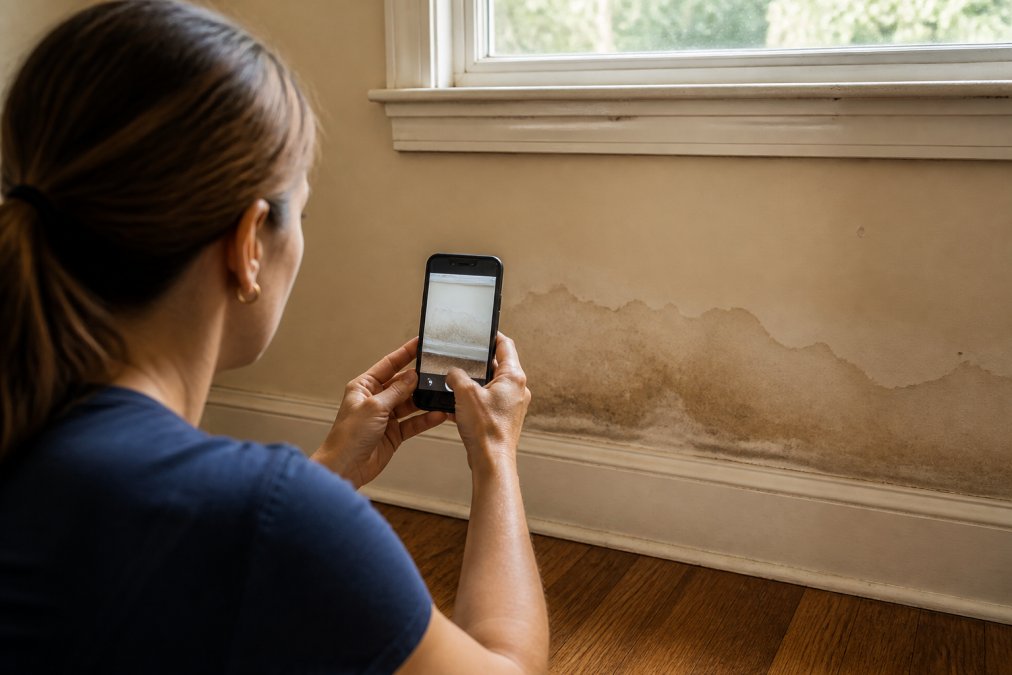
Keep all receipts, invoices, and repair estimates. When contractors provide quotes for restoration work, save every document. These estimates establish the actual cost of repairs and create a paper trail that supports your claim amount.
Document the timeline of events. Write down when the damage occurred, when you first contacted the insurance company, and when adjusters visited your property. Note any delays or communication gaps. This timeline can be important if disputes arise later.
Take photos of your property before damage occurred if you have them. Before-and-after comparisons are powerful evidence of loss severity. If you don’t have pre-loss photos, descriptions from neighbors or previous contractors can help establish what your property looked like.
Understanding Georgia Property Insurance Claim Laws
Georgia law governs how insurance companies must handle your claim. Understanding these rules puts you on equal footing during negotiations.
Insurance companies in Georgia must acknowledge your claim within a specific timeframe and conduct a reasonable investigation. They cannot simply deny claims without proper justification. When an adjuster determines coverage applies, the company must pay promptly or provide a written explanation of any denial.
Georgia law also protects your right to hire a public adjuster. A public adjuster is a licensed professional who works exclusively for you, not the insurance company, to negotiate the best possible settlement. Public adjusters in Georgia are regulated by the Department of Insurance and must follow strict ethical guidelines.
If your claim is denied, Georgia law gives you the right to appeal. You can request a formal review of the denial decision, provide additional evidence, and present your case for reconsideration. Understanding this appeal process is crucial if your initial claim is rejected.
The standard of proof matters too. Insurance companies cannot deny claims based on minor technicalities or incomplete information. They must prove that coverage exclusions genuinely apply to your specific loss. If ambiguity exists in the policy language, Georgia courts generally interpret it in favor of the policyholder.
Key Steps to Strengthen Your Settlement Negotiation
Negotiation is where most property owners leave money on the table. The initial settlement offer from the insurance company is rarely their final position. Your job is to present evidence that justifies a higher amount.
Gather all supporting documentation before negotiating. Organize your photos, inventory, repair estimates, and receipts into a clear, easy-to-review package. When you present organized evidence, adjusters take your claim more seriously.
Request a detailed written estimate from a licensed contractor. This estimate should itemize every repair, replacement, and restoration cost. Contractor estimates carry significant weight because they come from licensed professionals with no financial stake in your claim outcome.
Compare the insurance company’s estimate to your contractor’s estimate line by line. Identify specific areas where they differ. Maybe the insurer underestimated labor costs, missed water damage to structural components, or failed to account for code upgrades required during repairs.
Present your evidence calmly and professionally. Avoid emotional arguments. Instead, let your documentation speak for itself. Say something like: “Our contractor identified structural damage to the roof framing that wasn’t included in the initial estimate. Here’s the detailed breakdown of those additional repairs.”
Request a second inspection if the initial adjuster’s estimate seems incomplete. You have the right to be present during inspections and to point out damage the adjuster may have missed.
What to Know About Public Adjuster Atlanta Cost
Hiring a public adjuster involves understanding how they’re compensated. This question comes up frequently because property owners worry about additional expenses when they’re already facing significant losses.
Public adjusters in Georgia typically work on a contingency fee basis. This means they don’t charge you an upfront fee. Instead, they receive a percentage of the settlement increase they negotiate on your behalf. If they don’t recover additional money beyond the insurance company’s initial offer, they don’t get paid.
The fee percentage is typically a reasonable percentage of the additional settlement recovered. This structure aligns the public adjuster’s interests with yours, they only profit when you receive more money.
Hiring a public adjuster can result in settlements higher than the initial insurance company offer. When you factor in the fee structure, most property owners come out substantially ahead by working with professional representation.
The investment makes sense when your claim is complex, involves significant damage, or has been denied. For straightforward, small claims, the percentage fee might not justify the cost. But for major losses involving commercial property, business interruption, or structural damage, professional representation typically pays for itself many times over.
Denied Insurance Claim Appeal Process in Georgia
If your claim is denied, don’t assume that’s the final word. Georgia law provides a clear appeal process, and many denied claims are overturned upon review.
First, request a written explanation of the denial. The insurance company must provide specific reasons for denying your claim. Generic denials aren’t acceptable. Review this explanation carefully to understand their stated justification.
Gather evidence that contradicts the denial reason. If they claim the damage isn’t covered, find policy language or expert opinions proving otherwise. If they claim you didn’t comply with claim procedures, document your compliance efforts.
File a formal appeal with the insurance company. Submit your appeal in writing, include all supporting documentation, and clearly explain why their denial was incorrect. Request a new review by a different adjuster if possible.
If the insurance company upholds the denial, you can file a complaint with the Georgia Department of Insurance. The Department investigates consumer complaints and can pressure insurers to reconsider unfair denials.
Consider consulting with an attorney or public adjuster before accepting a denial. Legal representation can be particularly valuable if the claim amount is substantial or the denial seems clearly unjustified.
Common Mistakes That Reduce Settlement Value
Understanding what not to do is as important as knowing what to do. These mistakes cost property owners thousands in lost recovery.
Accepting the first settlement offer without question is the most common mistake. Insurance companies expect negotiation. Their initial offer is rarely their best offer. Treat it as a starting point, not a final decision.
Failing to document damage thoroughly undermines your entire claim. Don’t assume the adjuster will find all damage. They work quickly and may miss areas that aren’t immediately visible. Your detailed documentation fills gaps in their inspection.
Hiring contractors before getting insurance approval can backfire. If the insurance company denies certain repairs, you’re stuck paying out of pocket. Always get written approval before spending your own money on restoration.
Discussing your claim with the insurance adjuster without proper preparation weakens your negotiating position. Prepare your evidence, organize your documentation, and know your numbers before any conversation.
Throwing away damaged items before the adjuster inspects them eliminates evidence. Keep damaged property available for inspection, even if it seems obviously unsalvageable.
Missing deadlines for claim submission, appeal filing, or documentation requests can result in claim denial. Mark important dates on your calendar and follow all procedural requirements precisely.
Timeline and Expectations for Your Claim
Understanding the typical timeline helps you set realistic expectations and plan your restoration accordingly.
The initial claim filing process usually takes one to two weeks from the time of loss. You’ll contact your insurance company, provide basic information about the damage, and receive a claim number.
The insurance company typically schedules an adjuster inspection within two to four weeks of claim filing. During this inspection, the adjuster photographs damage, measures affected areas, and prepares an initial estimate.
The adjustment process usually takes four to eight weeks from inspection to settlement offer. Complex claims involving multiple types of damage or disputed coverage may take longer.
If you dispute the initial settlement offer, the negotiation phase typically lasts two to four weeks. You’ll submit additional documentation, the insurance company will review it, and they’ll issue a revised estimate.
Appeals of denied claims can take six to twelve weeks, depending on the complexity of the dispute and whether additional investigation is needed.
From start to final payment, most straightforward claims resolve within a few months. Complex claims or those involving disputes may take longer.
During this entire process, your property remains in a damaged state. That’s why thorough documentation early on is so important, it accelerates the settlement process and gets you paid faster.
Next Steps to Protect Your Claim
Your claim’s success depends on immediate action and careful attention to detail. Start now to protect your interests.
Document everything today. Even if you’ve already reported the loss, take additional photos and create a detailed inventory. The more evidence you gather, the stronger your position.
Organize all documentation in one place. Create a folder, digital or physical, containing photos, receipts, estimates, correspondence with the insurance company, and your written inventory. This organization makes it easy to present evidence during negotiations.
Review your insurance policy carefully. Understand what’s covered, what exclusions apply, and what your deductible is. This knowledge helps you anticipate insurance company arguments and prepare counterarguments.
If your claim has been denied or you’re unsatisfied with the settlement offer, consider professional representation. Public Adjusters Atlanta works exclusively for property owners like you, not for insurance companies. The professional we refer you to handles the back-and-forth with the insurer while you focus on rebuilding.
Dealing with property damage is stressful enough without fighting with your insurance company over fair compensation. Public Adjusters Atlanta specializes in helping residential and commercial property owners throughout the Metro Atlanta area recover the maximum settlement they deserve. The attorneys and licensed public adjusters we refer clients to handle complex fire, water, storm and business interruption claims, from damage assessment through settlement. Contact us for a complimentary evaluation of your claim and learn how much additional recovery might be possible.
Frequently Asked Questions
What can I do if my insurance claim has already been denied in Georgia?
A denied claim is not final. You have the right to appeal through Georgia’s insurance dispute resolution process. Document any new evidence, request a formal written explanation of the denial from your insurer, and consider having a professional adjuster review the decision. Many denials are overturned when presented with comprehensive damage documentation and expert analysis. The appeals process timeline varies, so contact your insurer for specific deadlines applicable to your claim.
How does a public adjuster help maximize your insurance settlement?
A public adjuster works exclusively for you, not the insurance company. They conduct thorough damage assessments, identify losses the insurer may have missed, prepare detailed claim documentation, and negotiate directly with the insurance company on your behalf. Their expertise in Georgia property insurance claim laws and settlement practices often results in significantly higher payouts than homeowners receive on their own. They handle the technical and negotiation aspects while you focus on recovery.
What documents do I need to support a property damage insurance claim?
Critical documents include photos and videos of all damage (taken immediately after the loss), your insurance policy, the original purchase receipts or proof of value for damaged items, repair estimates from contractors, and a detailed inventory of damaged property. For water damage, document the source and extent of moisture. For fire damage, photograph structural damage and contents. Keep all communications with your insurer. These materials form the foundation of a strong claim and are essential for maximizing your settlement.
How long does the insurance claim process typically take in Georgia?
Georgia law requires insurers to acknowledge claims promptly and investigate within a reasonable timeframe. Simple claims may resolve in a few weeks, while complex claims involving significant damage, business interruption, or disputed coverage can take several months or longer. Having professional representation can sometimes accelerate the process by providing thorough documentation upfront and managing negotiations efficiently. Timelines also depend on the extent of damage assessment needed and the insurer’s workload.