

Denied storm damage insurance claims leave many American families across Atlanta frustrated and financially vulnerable. Powerful storms strike the region every year, yet insurance companies reject or underpay nearly 40 percent of these claims. This puts local homeowners at serious risk when disaster hits. Understanding how storm damage insurance really works can help you protect your rights and work with expert public adjusters for the compensation you deserve.
Table of Contents
- What Are Storm Damage Insurance Claims?
- Types of Storm Damage Covered by Insurance
- Filing a Storm Damage Claim in Georgia
- Common Mistakes That Jeopardize Claims
- Policyholder Rights and Public Adjuster Roles
Key Takeaways
| Point | Details |
|---|---|
| Understand your policy coverage | Homeowners should review their insurance policies thoroughly to know what types of storm damage are covered and any exclusions that may apply. |
| Document damage immediately | Take photographs and videos of all storm-related damage right after the incident to support your claim and enhance compensation potential. |
| Act quickly post-storm | File your insurance claim as soon as possible to ensure swift processing and maximize the chances of receiving full compensation for damages. |
| Consider public adjusters | Hiring a public adjuster can help navigate the claims process effectively and advocate for better settlements as they work exclusively for the policyholder. |
What Are Storm Damage Insurance Claims?
Storm damage insurance claims represent a critical financial protection mechanism for Atlanta homeowners facing unexpected property destruction from severe weather events. When powerful storms strike—bringing wind, hail, lightning, or torrential rain—homeowners can file claims to recover repair and replacement costs for damaged structures and personal property. These claims serve as a financial safety net, helping residents quickly restore their homes after destructive weather incidents.
Typically, standard home insurance policies may cover storm-related damages including wind damage, roof damage, broken windows, and structural impacts. However, coverage varies significantly depending on specific policy terms and the precise nature of the storm damage. Homeowners must carefully review their insurance documentation to understand exact protections. Some policies include comprehensive coverage for multiple storm types, while others might have more restrictive guidelines.
Crucial to understanding storm damage claims is recognizing that flood damage requires separate insurance coverage. Standard homeowners insurance typically does not protect against flooding, even when caused by storm events. Atlanta residents living in flood-prone areas should consider purchasing additional flood insurance to ensure complete protection. This distinction can mean the difference between full recovery and significant out-of-pocket expenses during post-storm reconstruction.
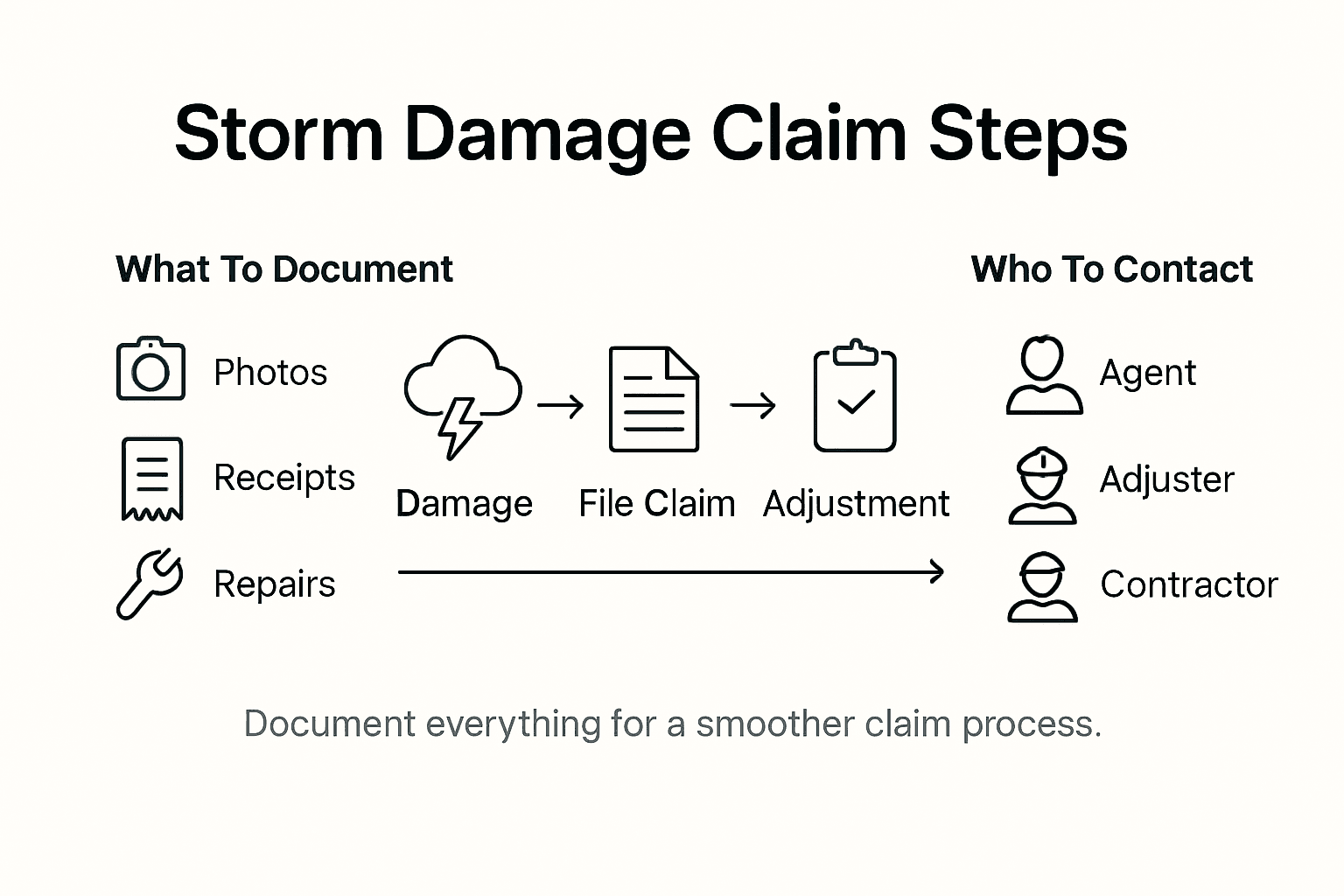
Pro Tip: Document Everything: Immediately after a storm, take comprehensive photographs and videos of all damage before beginning cleanup. These visual records can serve as critical evidence when filing your insurance claim and help ensure maximum potential compensation.
Here’s how different types of storm damage and their insurance treatments compare for Atlanta homeowners:
| Storm Type | Standard Policy Coverage | Separate Policy Needed | Common Exclusions |
|---|---|---|---|
| Wind | Usually covered | No | Neglect, wear & tear |
| Hail | Usually covered | No | Pre-existing damage |
| Lightning | Usually covered | No | Power surge specifics |
| Flood | Not covered | Yes | Surface water events |
| Ice/Snow | Often covered | Sometimes | Maintenance failures |
Types of Storm Damage Covered by Insurance
Atlanta homeowners face a complex landscape of insurance protection when it comes to storm damage. Standard home insurance policies typically cover a range of storm-related damages, including impacts from hail, wind, and the weight of accumulated ice or snow. Understanding these coverage details is crucial for residents seeking financial protection against severe weather events.
Most standard homeowners insurance policies provide comprehensive protection for wind and hail damage, encompassing several specific scenarios:
- Roof damage from fallen trees
- Broken windows caused by hail
- Siding damage from flying debris
- Structural damage resulting from high winds
- Interior water damage from wind-driven roof damage
However, homeowners should carefully review their specific policy language, as coverage can vary significantly between insurance providers. Some policies might have specific limitations or exclusions that could impact claim approval. Factors such as the age of your home, maintenance history, and the specific circumstances of the storm damage can all influence insurance coverage.
Pro Tip: Coverage Review: Schedule an annual review of your insurance policy with your agent to ensure you fully understand your storm damage protection and identify any potential coverage gaps before severe weather strikes.
Filing a Storm Damage Claim in Georgia
Navigating the storm damage insurance claim process in Georgia requires strategic planning and meticulous documentation. After a storm, homeowners should document the damage to their property and file a claim as quickly as possible, understanding that timely action can significantly impact claim success and potential compensation.
The initial steps involve a comprehensive approach to damage assessment and claim preparation:
- Ensure personal safety first and wait for official clearance before returning home
- Photograph and video record all storm-related damage thoroughly
- Make detailed inventory lists of damaged property and structural impacts
- Contact your insurance provider to initiate the claim process
- Prevent additional damage by making temporary repairs
Once it’s safe to return home, begin cleaning up to prevent further property deterioration, but do not discard damaged items before documenting them. Insurance adjusters will need comprehensive evidence to process your claim effectively. Georgia homeowners should maintain organized records of repair estimates, professional assessments, and all communication with insurance representatives.
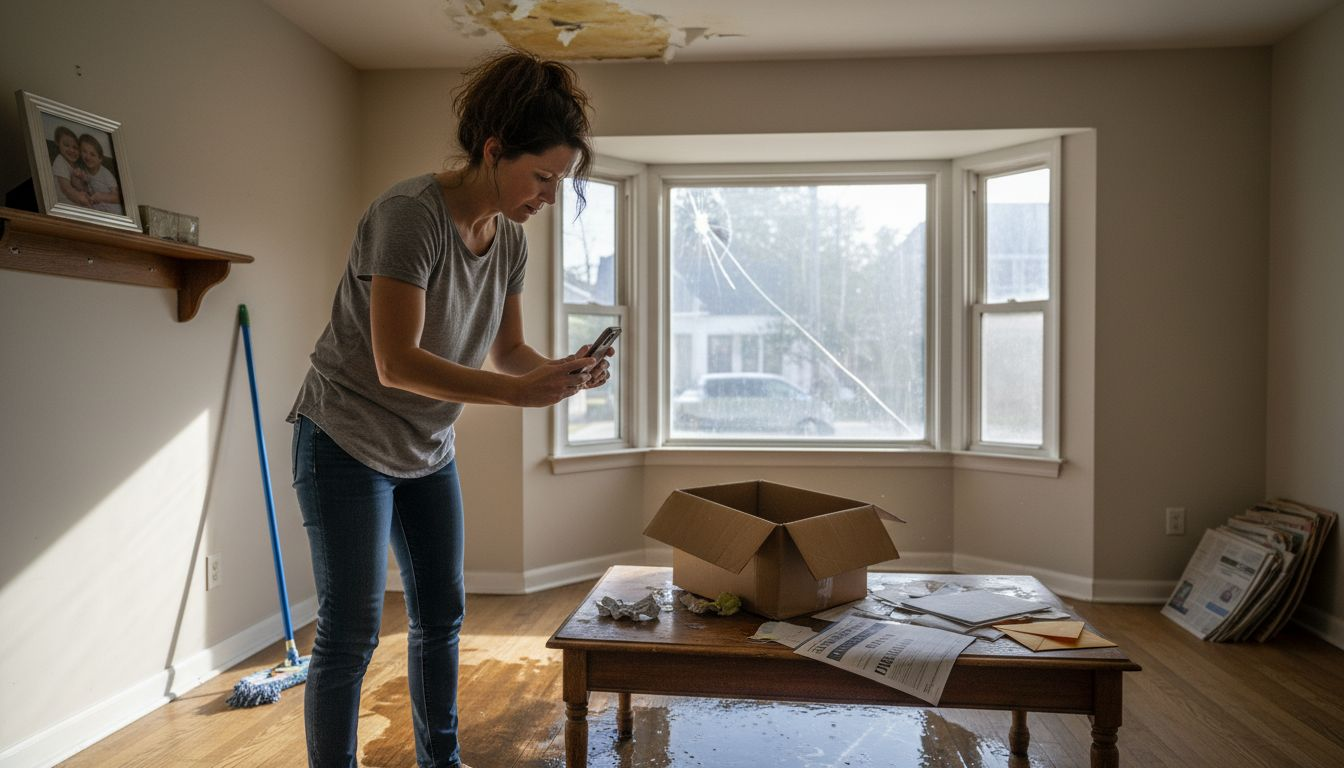
Pro Tip: Evidence Preservation: Create a dedicated digital and physical file containing all storm damage documentation, including timestamped photographs, repair estimates, and correspondence with insurance companies to streamline your claims process.
Common Mistakes That Jeopardize Claims
Atlanta homeowners frequently undermine their storm damage insurance claims through avoidable errors that can significantly reduce or completely eliminate potential compensation. Many home insurance policies contain complex exclusions that can jeopardize claim success, particularly when it comes to nuanced damage scenarios.
Key mistakes that can critically damage an insurance claim include:
- Delaying documentation of storm damage
- Failing to prevent additional property deterioration
- Discarding damaged items before photographic evidence
- Incomplete or inconsistent damage reporting
- Overlooking hidden structural damage
- Attempting repairs without insurance adjuster consultation
- Not understanding specific policy limitations
Insurance disputes frequently arise from disagreements about what constitutes legitimate storm damage, making precise documentation and professional assessment crucial. Homeowners must recognize that insurance companies scrutinize every detail of a claim, looking for reasons to minimize payouts. Understanding the intricate details of your specific policy and maintaining meticulous records can mean the difference between full compensation and claim denial.
Pro Tip: Documentation Defense: Create a comprehensive digital and physical storm damage file with timestamped photographs, professional assessment reports, and detailed correspondence logs to build an ironclad claim that withstands intense insurance company scrutiny.
Policyholder Rights and Public Adjuster Roles
Georgia homeowners navigating storm damage insurance claims have specific legal protections and strategic resources designed to ensure fair compensation. Buildings insurance policies typically cover financial losses from storm damage, though disputes frequently emerge around defining precise storm damage parameters.
Policyholder rights encompass several critical protections:
- Right to full and fair claim investigation
- Right to detailed explanation of claim decisions
- Right to appeal insurance company determinations
- Right to seek independent damage assessments
- Right to challenge inadequate settlement offers
- Right to professional representation during claim negotiations
Standard home insurance policies have significant limitations, particularly regarding specific types of water damage, making professional guidance crucial. Public adjusters serve as critical advocates, helping homeowners navigate complex claim processes, interpret policy language, and maximize potential compensation. Unlike insurance company adjusters, public adjusters work exclusively for the policyholder, providing unbiased damage assessments and strategic claim management.
Pro Tip: Advocacy Preparation: Maintain comprehensive documentation of all storm damage, including photographs, repair estimates, and professional assessments, to empower your public adjuster in securing the most favorable claim outcome.
This summary highlights key roles and benefits of hiring a public adjuster during the claims process:
| Aspect | Insurance Company Adjuster | Public Adjuster |
|---|---|---|
| Who they represent | Insurance company | Policyholder only |
| Main objective | Minimize company payout | Maximize policyholder compensation |
| Fee structure | Salary or commission from insurer | Percentage of claim payout |
| Value for homeowner | May challenge larger claims | Negotiates for higher settlements |
Need Expert Help With Your Storm Damage Insurance Claim in Atlanta
Dealing with storm damage can be overwhelming, especially when navigating the complex requirements of insurance claims. You may be facing challenges like understanding policy exclusions, documenting damage properly, or even disputing low settlement offers. If the storm damage insurance claim process has left you feeling frustrated or unsure about your next steps, you are not alone. Atlanta homeowners deserve professional support to protect their rights and maximize their compensation.
Take control of your storm damage claim today with trusted public adjusters who advocate for you, not the insurance company. At Public Adjusters Atlanta, we specialize in reviewing your policy, assessing damage thoroughly, and negotiating the best possible settlement on your behalf. Dont wait until delays or mistakes jeopardize your claim. Visit https://publicadjustersatlanta.com now to schedule your free damage evaluation and gain the confidence you deserve when dealing with storm damage insurance claims.
Frequently Asked Questions
What types of storm damage are typically covered by insurance?
Most standard homeowners insurance policies cover damages from wind, hail, ice, and snow. This may include roof damage, broken windows, and structural impacts from severe weather. However, coverage can vary, so it’s important to review your specific policy.
Do I need separate insurance for flood damage?
Yes, standard homeowners insurance typically does not cover flood damage, even if caused by storms. Homeowners in flood-prone areas should consider purchasing additional flood insurance to ensure complete protection.
How can I file a storm damage claim effectively?
To file a storm damage claim effectively, first document all damage with photographs and videos, create an inventory of damaged property, contact your insurance provider to initiate the claim, and prevent additional damage through temporary repairs. Keeping detailed records throughout the process is also crucial.
What mistakes should I avoid when filing a storm damage claim?
Common mistakes to avoid include delaying documentation of damage, discarding damaged items before taking photos, not preventing further property deterioration, and making repairs without consulting an insurance adjuster. These errors can jeopardize your claim and reduce potential compensation.
Recommended
- Atlanta Hurricane Damage Insurance Claims Advocates For Home And Business
- Storm And Wind Damage Assistance | Atlanta Public Adjusters
- Residential And Commercial Tree Damage Claims Assistance
- What To Do If Your Property Suffers Hail Damage | Public Adjusters Atlanta
- Repairing Hail Damage: Step-by-Step Guide for Homeowners | Sabatalo Contracting
- Be smart heading into storm season with Florida trees – McCullough Tree Service