

When an unexpected storm shakes your world, every american homeowner in the Atlanta area faces costly decisions that can impact their financial future. Over 60 percent of homeowners encounter challenges with insurance claim settlements after property damage. The process often feels overwhelming and technical, making expert help a valuable asset. This article lays out clear steps and practical tips for Atlanta homeowners seeking fair compensation, so you can move forward with confidence and peace of mind.
Table of Contents
- What Is A Homeowners Insurance Claim?
- Types Of Claims And Covered Damages
- The Claim Filing And Assessment Process
- Essential Documentation And Mitigation Steps
- Your Rights, Responsibilities, And Common Pitfalls
Key Takeaways
| Point | Details |
|---|---|
| Understand Your Policy | Review your homeowners insurance policy regularly to ensure you are aware of coverage limits and exclusions. |
| Document Everything | Maintain a detailed inventory of your belongings, including photographs and receipts, to expedite the claims process. |
| Notify Promptly | Report damage to your insurance company as soon as possible and provide comprehensive documentation of the incident. |
| Know Your Rights | Understand your rights as a policyholder, including the right to a fair assessment and transparent communication from your insurer. |
What Is a Homeowners Insurance Claim?
A homeowners insurance claim is a formal request homeowners submit to their insurance provider seeking financial compensation for property damage or loss experienced under specific covered circumstances. When unexpected events like storms, fires, or theft damage your home or personal belongings, the insurance claim process becomes your pathway to recovery and financial protection.
Typically, a homeowners insurance claim involves several critical steps: first, documenting the extent of damage through photographs and detailed inventories, then notifying your insurance company about the incident, and finally working with an insurance adjuster who assesses the total scope of destruction. The goal is straightforward – to help homeowners restore their property and replace lost items without bearing the entire financial burden.
The claims process serves as a critical safety net, protecting homeowners from potentially devastating financial losses. While every policy has unique terms, most standard homeowners insurance claims cover damages from events like windstorms, hail, fire, lightning strikes, vandalism, and certain types of water damage. Understanding the nuances of your specific policy is crucial, as coverage can vary significantly between different insurance providers and individual plans.
Pro tip: Always maintain a detailed, up-to-date home inventory with photographs and receipts to streamline the claims process and provide clear evidence of your personal property’s value.
Types of Claims and Covered Damages
Homeowners insurance provides comprehensive protection against a wide range of potential damages, each falling into distinct categories that safeguard your property and financial well-being. Covered property damage claims typically include incidents like fire, windstorms, hail, lightning strikes, vandalism, and damage from falling objects, which can significantly impact your home’s structure and your personal belongings.
Standard homeowners insurance policies generally encompass several key types of claims. Dwelling claims protect the physical structure of your home, covering repair or replacement costs if the building is damaged by covered perils. Personal property claims reimburse you for lost, stolen, or damaged possessions inside your home. Additionally, liability protection offers financial coverage if someone is injured on your property, potentially saving you from expensive legal and medical expenses.
However, homeowners should be aware that not all damages are automatically covered. Certain natural disasters like floods and earthquakes typically require separate, specialized insurance policies. Water damage claims can be particularly complex, with coverage varying depending on the specific cause – such as sudden pipe bursts versus gradual water seepage. Understanding these nuanced distinctions is crucial for homeowners to ensure they have adequate protection for their unique property risks.
Pro tip: Review your insurance policy annually and consider additional riders or specialized coverage for high-risk scenarios specific to the Atlanta metro area, such as storm damage or potential flood zones.
Here’s a summary comparing the main types of homeowners insurance claims:
| Claim Type | What It Covers | Typical Triggers | Notable Exclusions |
|---|---|---|---|
| Dwelling | Structure of the home | Fire, windstorm, vandalism | Floods, earthquakes |
| Personal Property | Belongings inside the home | Theft, damage, loss | Items above standard value limits |
| Liability Protection | Injury to others on property | Accidents, dog bites | Intentional harm, business claims |
The Claim Filing and Assessment Process
Filing a homeowners insurance claim requires careful attention to detail and strategic documentation. Insurance claim filing involves several critical steps, beginning with prompt notification to your insurance provider immediately after discovering property damage. Homeowners must gather comprehensive evidence, including detailed photographs, written descriptions of the damage, and any supporting documentation like repair estimates or police reports that substantiate the extent of loss.
The assessment phase typically involves an insurance adjuster visiting your property to evaluate the damage firsthand. During this inspection, the adjuster will systematically document the destruction, measure the scope of repairs needed, and determine the potential payout based on your specific policy coverage. Homeowners should prepare for this assessment by organizing all relevant documentation, making temporary repairs to prevent further damage, and maintaining a detailed record of all expenses incurred during the initial mitigation process.
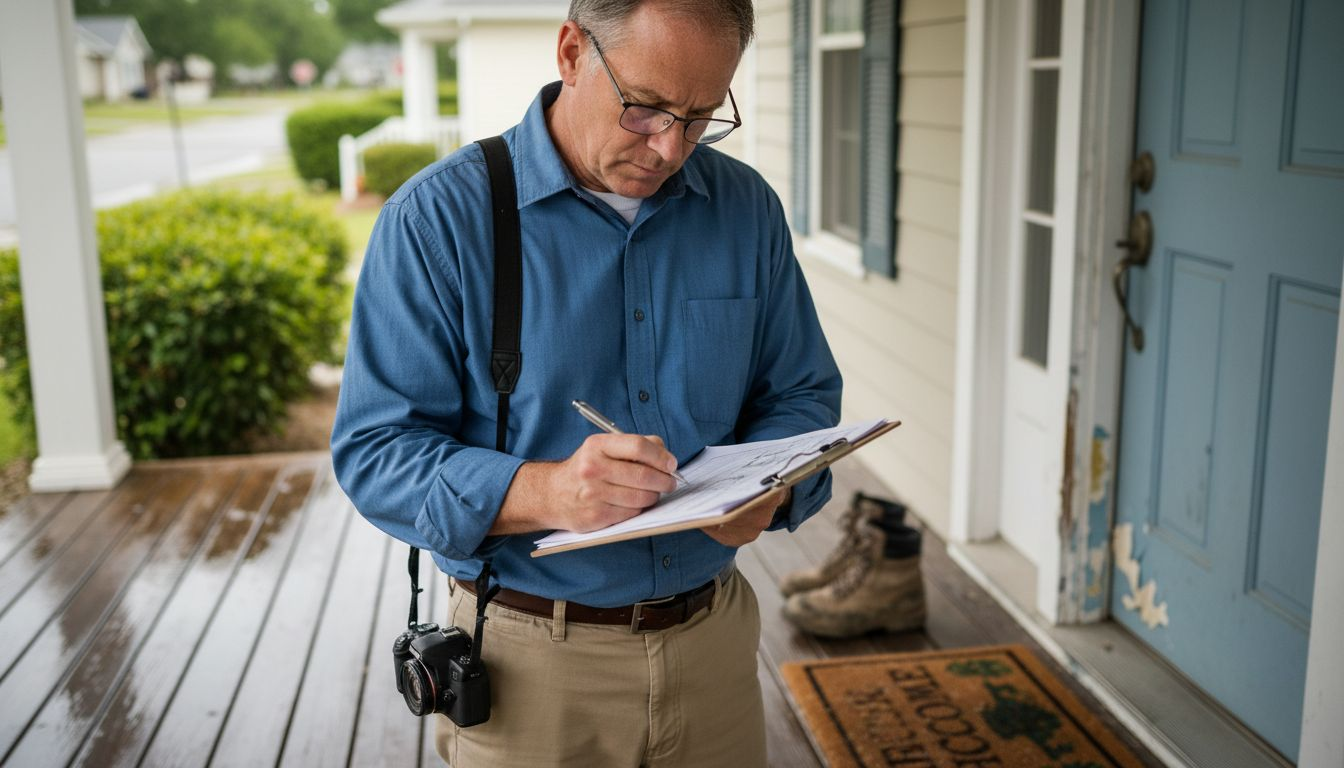
Navigating the claims process requires patience and thorough communication with your insurance company. Each claim undergoes a comprehensive review where the insurer examines the reported damage, verifies policy coverage, and calculates the appropriate compensation. This evaluation considers factors like the cause of damage, the extent of destruction, your policy’s specific terms, and applicable deductibles. Successful claims depend on clear, consistent documentation and a proactive approach to demonstrating the legitimacy of your property damage.
Pro tip: Create a dedicated file folder with digital and physical copies of all claim-related documents, including photos, estimates, correspondence, and receipts, to ensure you have a comprehensive record throughout the claims process.
Essential Documentation and Mitigation Steps
Documenting property damage is a critical component of successfully navigating a homeowners insurance claim. Critical documentation requirements include comprehensive photographic and video evidence, meticulously detailed inventories of damaged items, and precise records of all associated expenses. Homeowners should capture multiple angles of destruction, ensuring clear, well-lit images that accurately represent the full extent of damage to both structural elements and personal property.
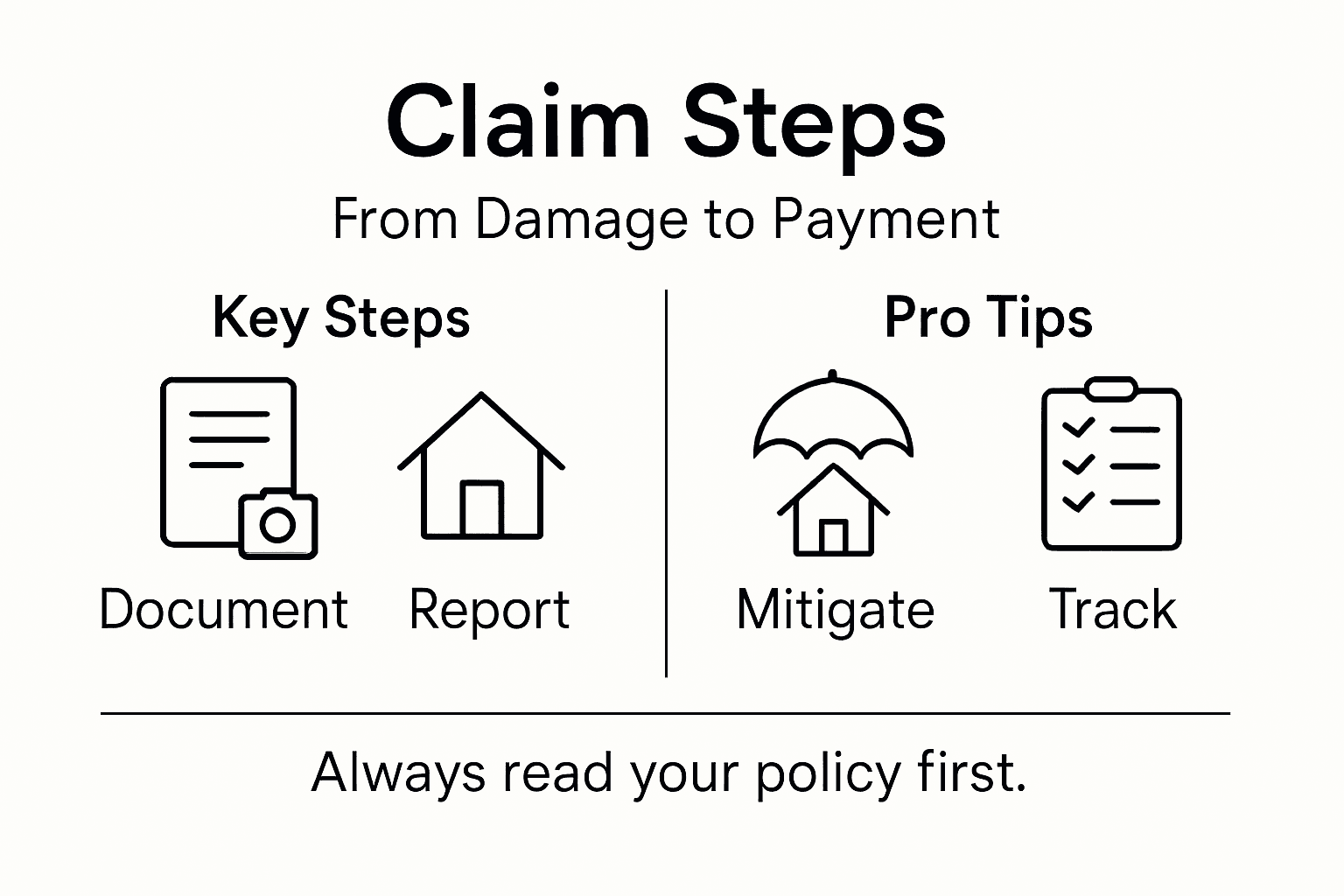
Mitigation steps are equally important in protecting your claim’s potential success. Immediate actions to prevent further damage can significantly impact your insurance company’s assessment. This might involve temporary repairs like covering broken windows, stopping active water leaks, or securing damaged roof sections to prevent additional interior destruction. However, it is crucial to document all temporary repair expenses and keep damaged items intact for the insurance adjuster’s inspection, as discarding evidence could potentially compromise your claim.
A systematic approach to documentation can make the difference between a smooth claim process and a challenging negotiation. Homeowners should create a comprehensive claim file that includes original purchase receipts, repair estimates, professional assessment reports, and a chronological record of all communications with the insurance company. Digital backups of these documents provide an additional layer of protection, ensuring you have multiple copies of critical evidence in case of loss or damage to physical records.
Pro tip: Create a dedicated digital and physical claim folder, using cloud storage and a fireproof home file box, and immediately photograph and inventory damaged items before making any repairs.
Here’s a reference table outlining essential documentation steps for filing a claim:
| Step | Purpose | Example Records |
|---|---|---|
| Take clear photographs | Prove damage exists | Images of broken window, roof |
| Keep receipts | Validate out-of-pocket expenses | Repair bills, purchase receipts |
| Log communications | Track insurance company contacts | Emails, call summaries |
Your Rights, Responsibilities, and Common Pitfalls
Homeowners navigating an insurance claim possess specific rights and obligations that can significantly impact their claim’s outcome. Homeowners insurance claim rights include receiving a fair, timely, and transparent claims process, with the expectation of an unbiased damage assessment and prompt communication from the insurance provider. These rights empower homeowners to challenge assessments, request detailed explanations of claim decisions, and seek comprehensive compensation for documented property damages.
With these rights come critical responsibilities that directly influence claim success. Homeowners must provide accurate, comprehensive documentation of damage, promptly report incidents, and take reasonable steps to prevent further destruction. This means capturing detailed photographic evidence, maintaining an itemized list of damaged property, and making emergency temporary repairs to mitigate additional loss. Failure to fulfill these responsibilities can result in claim denial or substantially reduced compensation, leaving homeowners financially vulnerable.
The insurance claim landscape is fraught with potential pitfalls that can derail even the most meticulously prepared claim. Common mistakes include waiting too long to file a claim, providing incomplete documentation, misunderstanding policy coverage limits, or failing to maintain detailed records of all communication and expenses. Homeowners often underestimate the importance of understanding their specific policy’s nuances, including exclusions, deductibles, and the precise definitions of covered perils. These oversights can transform what should be a straightforward claims process into a frustrating and potentially costly experience.
Pro tip: Create a dedicated claim communication log that records every interaction with your insurance company, including dates, names of representatives spoken with, and summaries of conversations, to protect yourself against potential disputes.
Get Expert Help Navigating Your Homeowners Insurance Claim
Filing a homeowners insurance claim can quickly become overwhelming when faced with complex policy language, strict documentation requirements, and potential pitfalls explained in this article. If you find yourself struggling to understand your rights, gather essential evidence, or communicate effectively with your insurance provider, you are not alone. Maximize your claim and avoid costly mistakes by enlisting the support of professionals who specialize in negotiating insurance settlements.

At Public Adjusters Atlanta, the licensed public adjusters we work with act as your personal advocates through every step of the claims process. We offer free damage evaluations, thorough policy review, and skillful damage assessment to ensure you receive the full compensation you deserve for property damages caused by fire, water, storm, and other covered perils. Don’t let insurance jargon or claim disputes leave you vulnerable. Take control today by visiting Public Adjusters Atlanta and learn how our dedicated team helps homeowners in the Atlanta area turn complicated insurance claims into successful recoveries. Your home and financial peace of mind deserve no less.
Frequently Asked Questions
What is a homeowners insurance claim?
A homeowners insurance claim is a formal request made by homeowners to their insurance provider for financial compensation due to property damage or loss from covered events like storms, fires, or theft.
What types of damages are covered under homeowners insurance?
Homeowners insurance typically covers damages from fire, windstorms, hail, lightning strikes, vandalism, and some types of water damage. However, damages from natural disasters like floods and earthquakes usually require separate insurance.
What steps should I take to file a homeowners insurance claim?
To file a claim, promptly notify your insurance provider of the damage, gather evidence (photographs, detailed descriptions), and document all related expenses. An insurance adjuster will then assess the damage and determine the compensation.
What are some common pitfalls to avoid when filing a claim?
Common pitfalls include waiting too long to file a claim, providing incomplete documentation, misunderstanding policy limits, and failing to track communication with the insurance company. Understanding policy nuances and maintaining detailed records are critical for a smooth claims process.
Recommended
- Insurance Claim Help – The Licensed Public Adjusters Atlanta GA
- How Insurance Claims Work: Maximizing Your Settlement
- Filing A Claim With Someone Else’s Property Insurance Aka Third Party Insurance. – Public Adjusters Atlanta GA | Public Adjusters Georgia
- Insurance Claim Process Guide For Maximizing Settlements