

Table of Contents
- What Is a Public Adjuster for Church Claims?
- Why Churches Need Specialized Claims Assistance
- Public Adjuster vs. Insurance Company Adjuster
- Documenting Church Property Damage for Maximum Recovery
- Common Types of Church Property Damage Claims
- The Claims Process: Step-by-Step
- Public Adjuster Fee Structure and Compensation
- Appealing a Denied Church Insurance Claim
- Key Considerations for Church Leadership
- Frequently Asked Questions
Last Updated: September 28, 2026
What Is a Public Adjuster for Church Claims?
A public adjuster for church claims is a licensed insurance professional who advocates exclusively for your congregation when filing property damage claims with insurance carriers. Unlike the insurance company’s adjuster, who works to minimize what the insurer pays out, a public adjuster works solely for you, the policyholder, to maximize your settlement and ensure every legitimate damage is documented and recovered.
Churches face unique challenges when filing insurance claims. Your property often includes irreplaceable elements like stained glass windows, historic architectural features, and specialized equipment. A public adjuster understands how to value these assets and negotiate with insurers who may underestimate the true cost of restoration. Public Adjusters Atlanta specializes in helping religious organizations navigate these complexities, handling everything from initial damage assessment through final settlement negotiation.
The role of a public adjuster extends beyond simple paperwork. These professionals conduct thorough property inspections, compile detailed loss documentation, prepare comprehensive claims, and represent your interests during all negotiations with the insurance carrier. For churches managing catastrophic losses, whether from fire, water damage, storms, or other disasters, this expert representation often means the difference between recovering enough to rebuild and facing significant shortfalls.
Why Churches Need Specialized Claims Assistance
Churches operate differently from standard commercial properties, and insurance claims require understanding these distinctions. Your congregation likely has a board of trustees or deacon board that must approve major decisions, including hiring professional representation. A public adjuster familiar with church governance structures knows how to work within these approval processes and communicate findings to your leadership in ways that support decision-making.
The property itself presents valuation challenges that generic adjusters often miss. Historic buildings may have architectural significance that affects repair costs. Stained glass windows, pipe organs, religious artwork, and specialized HVAC systems designed for large gathering spaces require specialized knowledge to appraise correctly. Standard commercial adjusters frequently undervalue these elements because they lack experience with religious facilities.
Additionally, many churches operate on tight budgets with limited insurance expertise on staff. Your pastor, office administrator, or facilities manager may have no background in insurance claims management. When disaster strikes, you’re already managing crisis response, community support, and potentially coordinating temporary worship spaces. Hiring a public adjuster removes the burden of navigating complex claim procedures so your leadership can focus on pastoral care and recovery.
The negotiation phase is where specialized assistance proves most valuable. Insurance carriers employ skilled claims adjusters trained to defend their company’s interests. Matching that expertise with your own representative levels the playing field and ensures your claim receives thorough, professional advocacy.
Public Adjuster vs. Insurance Company Adjuster
Understanding the fundamental difference between these two roles is critical to your decision. An insurance company adjuster works for the carrier, the entity paying the claim. Their job includes controlling costs and protecting the insurer’s bottom line. They’re skilled professionals, but their incentive structure is misaligned with yours. A lower settlement benefits their employer.
A public adjuster works exclusively for you under a contractual agreement. Their compensation depends on the settlement they secure, which means their financial interests align with yours. The higher the claim recovery, the more they earn. This alignment creates genuine motivation to find every legitimate damage and negotiate aggressively.
The insurance company adjuster will conduct an inspection and prepare an appraisal. They’ll assess damage, estimate repair costs, and apply policy terms to determine what the carrier will pay. Their report becomes the foundation of the claim. A public adjuster conducts an independent inspection, prepares a separate appraisal, and challenges the insurance company’s findings where they’re incomplete or inaccurate.
In practice, this means a public adjuster might identify water damage in wall cavities that the insurance company’s adjuster missed, uncover building code upgrade costs the carrier failed to include, or recognize business interruption losses that weren’t properly documented. These discoveries often result in settlements substantially higher than the insurance company’s initial offer.
| Aspect | Insurance Company Adjuster | Public Adjuster |
|---|---|---|
| Works For | The insurance carrier | The policyholder (you) |
| Financial Incentive | Lower settlement = lower cost to insurer | Higher settlement = higher compensation |
| Inspection Scope | Focused on policy coverage limits | Comprehensive, seeking all valid damages |
| Negotiation Role | Defends carrier’s position | Advocates for maximum recovery |
| Availability | Limited to carrier’s timeline | Available to you on your schedule |
Documenting Church Property Damage for Maximum Recovery
Proper documentation is the foundation of a successful claim. The moment damage occurs, begin photographing and recording details. Document everything: structural damage, water intrusion, smoke damage, broken windows, damaged furnishings, and affected equipment. Take photos from multiple angles with adequate lighting to show the full extent of damage.
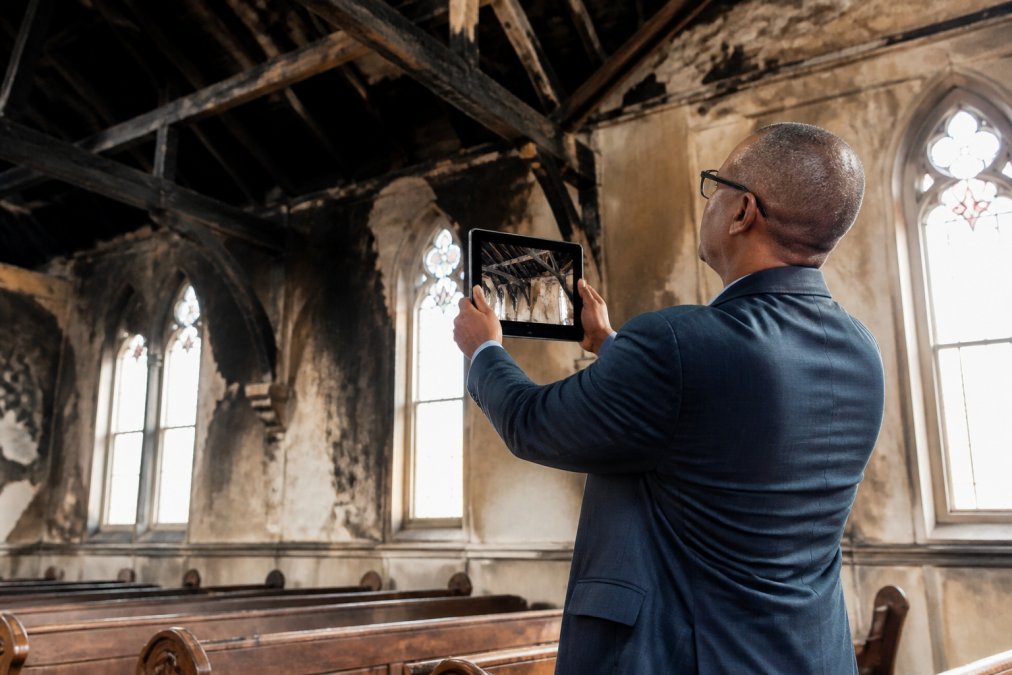
Create a detailed written inventory listing every damaged item, including descriptions and pre-loss value estimates where possible. For high-value items like organs, artwork, or specialized equipment, gather original purchase documentation, appraisals, or maintenance records. These records establish the value of items that may not be easily replaced.
Preserve damaged materials when safe to do so. Insurance adjusters often want to inspect original materials rather than relying solely on photographs. Keep receipts, invoices, and contracts related to any temporary repairs or emergency services you’ve arranged. These expenses may be recoverable under your policy’s “extra expense coverage.”
Document your congregation’s needs and operational impact. If you’ve relocated to a temporary facility, keep records of those rental costs. If services were cancelled or significantly disrupted, document the timeline and any additional expenses incurred. This information supports business interruption claims, which many churches overlook.
A public adjuster will work with you to organize this documentation systematically and identify gaps. They know which documents insurers require and can guide you through gathering additional evidence if needed. Their experience means they won’t miss categories of damage or loss that your team might overlook.
Common Types of Church Property Damage Claims
Churches face several recurring damage scenarios, each with specific claim considerations. Fire damage is among the most devastating. Beyond the obvious burned materials, fire damage includes smoke damage throughout the building, water damage from firefighting efforts, and the cost of cleaning soot and smoke residue from every surface. Many churches underestimate these secondary damages, which can exceed the direct fire damage in cost.
Water damage presents another common challenge. Roof leaks, burst pipes, flooding from storms, or water intrusion from foundation cracks can damage structural elements, flooring, furnishings, and equipment. Water damage claims require careful documentation because damage may not be immediately visible, moisture within walls and cavities can cause mold and structural deterioration over time.
Storm damage from hail, wind, or severe weather often affects roofing, exterior walls, windows, and landscaping. Many churches have large roof areas and extensive stained glass windows that are vulnerable to storm damage. Wind can cause structural damage that isn’t immediately obvious but becomes critical during future weather events.
Vandalism and theft claims require police reports and detailed inventory documentation. If your church has experienced break-ins or intentional property damage, the claim process becomes more adversarial, and the insurance company may dispute coverage or valuations more aggressively.
Business interruption claims apply when property damage forces your congregation to relocate or suspend activities. These claims cover lost rental income if your church rents facilities to community groups, as well as temporary relocation costs, additional expenses for operating from an alternative location, and in some cases, lost contributions during the closure period. Many churches don’t realize business interruption coverage exists in their policies or how to document these losses properly.
The Claims Process: Step-by-Step
Understanding the claims timeline helps you manage expectations and coordinate with your church leadership. Step 1: Report the Loss Immediately. Contact your insurance carrier as soon as damage occurs. Most policies require prompt notification. Provide basic information about what happened, when it occurred, and preliminary estimates of damage scope. This initiates the claim file and starts the clock on the insurance company’s investigation timeline.
Step 2: Secure the Property. Take reasonable steps to prevent further damage. If a roof is damaged, arrange temporary tarping to prevent water intrusion. If windows are broken, secure the building to prevent theft or additional weather damage. Document these emergency measures and keep receipts, these costs are typically recoverable under your policy.
Step 3: Compile Documentation. Gather photographs, written descriptions, receipts, appraisals, and any other evidence of damage and loss. Create an organized file that you can provide to your insurance adjuster. This documentation becomes the foundation of your claim.
Step 4: Meet with the Insurance Company Adjuster. The carrier will assign an adjuster who will inspect the property, review your documentation, and prepare an appraisal. Attend this inspection and point out all visible damage. Provide copies of your documentation. Ask questions about anything in the adjuster’s preliminary findings that seems incomplete or inaccurate.
Step 5: Review the Insurance Company’s Estimate. The adjuster will prepare a formal estimate of damages and the amount the insurance company is willing to pay. Review this carefully against your own documentation. If you believe damages are underestimated or if coverage questions exist, this is the time to raise concerns.
Step 6: Hire a Public Adjuster (if needed). If the insurance company’s estimate seems low or if you lack confidence in the process, engage a public adjuster. They’ll conduct their own inspection, prepare an independent appraisal, and begin negotiations with the insurance company. Public Adjusters Atlanta can provide a complimentary initial evaluation to assess whether additional recovery is likely.
Step 7: Negotiate the Settlement. Your public adjuster will present their findings to the insurance company and negotiate for a higher settlement. This process may involve multiple rounds of discussion, additional documentation, or independent appraisals if the parties disagree on damage valuation.
Step 8: Reach Settlement or Pursue Appeal. Once both parties agree on the settlement amount, the insurance company issues payment. If you cannot reach agreement, you may pursue appraisal or, in some cases, legal action to resolve the dispute.
Public Adjuster Fee Structure and Compensation
Public adjusters typically work on a contingency basis, meaning they earn a percentage of the settlement increase they secure for you. This fee structure aligns their interests with yours, they only profit if they recover additional money beyond what the insurance company initially offered.
The specific fee percentage varies and depends on factors including claim complexity, the amount of work required, and your state’s regulations. Rather than stating a specific figure that may not apply to your situation, understand that fees are negotiable and should be clearly outlined in your written contract before work begins.
Some public adjusters charge a flat fee for specific services, while others work purely on contingency. The contract should specify exactly what services are included, what the fee percentage is, when payment occurs, and any circumstances under which the fee might be adjusted. Never proceed without a written agreement that clearly defines these terms.
An important question many church leaders ask: “What if the public adjuster doesn’t find additional damages beyond what the insurance company offered?” This scenario is possible, particularly if the initial estimate was already thorough. However, a reputable public adjuster will provide a complimentary initial evaluation before you commit to representation. This evaluation helps both parties determine whether hiring them is likely to result in meaningful additional recovery.
Appealing a Denied Church Insurance Claim
A denied claim is not necessarily the final word. Insurance companies deny claims for various reasons: they claim damage isn’t covered under policy terms, they argue damage existed before the policy was issued, they contend damage resulted from poor maintenance rather than a covered cause, or they simply underestimate the extent of damage and deny the full amount requested.
When your claim is denied, you have options. First, carefully review the denial letter to understand the specific reason given. Is it a coverage question, a valuation dispute, or a disagreement about the cause of damage? Understanding the basis of the denial shapes your response strategy.
Request a detailed explanation from the insurance company if the denial letter is vague. Ask for copies of all documents in the claim file, including the adjuster’s inspection report, photos, and any communications. This information helps you identify where the insurance company’s analysis may be incomplete or incorrect.
If you believe the denial is unjustified, you can request reconsideration. Submit additional documentation that addresses the insurance company’s stated reason for denial. This might include expert opinions, additional photographs, repair estimates, or technical analysis showing that damage is covered or more extensive than the adjuster concluded.
Many insurance policies include an appraisal clause that allows either party to request an independent appraisal if they disagree on damage valuation. This process involves selecting a neutral appraiser who reviews both sides’ evidence and makes a binding determination about the value of damages. Appraisal can be more efficient than prolonged negotiation or legal action.
If the insurance company continues to deny your claim and you believe the denial is improper, you may pursue a complaint with your state’s insurance commissioner or, in some cases, file a lawsuit against the carrier. A public adjuster experienced in denied claims can guide you through these options and determine which approach is most likely to succeed.
Key Considerations for Church Leadership
Before hiring a public adjuster, your church’s governing board should understand what this engagement means. First, confirm that your insurance policy allows you to hire a public adjuster. Most policies do, but some may have restrictions or require notification to the insurance company. Review your policy or ask your insurance agent before proceeding.
Second, establish clear communication with your board about the public adjuster’s role and compensation structure. The board will want to understand why you’re hiring outside representation, what it will cost, and what outcome you expect. A public adjuster can attend a board meeting to explain their services and answer questions directly.
Third, designate a point person from your church to work with the public adjuster. This individual should have authority to make decisions on the church’s behalf, access to necessary documentation, and the ability to schedule inspections and meetings. Clarity about decision-making authority prevents delays and miscommunication.
Fourth, gather and organize all relevant documentation before the public adjuster begins work. The more organized your records, the more efficiently they can conduct their investigation. This also reduces the time your staff must spend locating documents during the claims process.
Finally, maintain realistic expectations about timeline and outcomes. Claims don’t resolve overnight. Even straightforward claims typically take several months from initial report to final settlement. Complex claims with significant damages or coverage disputes may take longer. A public adjuster can provide a realistic timeline based on the specific circumstances of your claim.
When property damage strikes your church, the insurance claims process can feel overwhelming. Between managing immediate recovery needs, coordinating with your congregation, and navigating complex insurance procedures, you need expert advocacy on your side. Public Adjusters Atlanta can connect your church with that help: an insurance-claim attorney, or an independent licensed public adjuster who works for the policyholder, not the insurer. We handle the complexities of the claims process so your leadership can focus on what matters most: restoring your facility and serving your community. Contact Public Adjusters Atlanta for a complimentary initial evaluation of your property damage claim and discover how much additional recovery may be possible.
Frequently Asked Questions
How much does a public adjuster typically charge for church property claims?
Public adjusters typically work on a contingency fee basis, meaning they are paid only if your claim is successful. Their compensation is usually a percentage of the settlement increase they secure for you above what the insurance company initially offered. The exact percentage varies by adjuster and claim complexity. For specific pricing details and to understand how fees would apply to your church’s situation, contact a licensed professional directly to discuss your claim and get a transparent fee agreement in writing.
Can a public adjuster overturn a denied church insurance claim?
Yes, a public adjuster can help appeal a denied claim by gathering additional evidence, conducting a thorough re-evaluation of damages, and presenting a stronger case to the insurance carrier. They review the denial reason, identify gaps in the original documentation, and negotiate on your behalf. Success depends on whether valid coverage exists under your policy and whether new evidence supports your claim. A licensed professional can assess your specific denial and explain whether an appeal has a reasonable chance of success.
What documentation is required for a church building damage claim?
Thorough documentation includes photographs and videos of all damage, repair estimates from licensed contractors, a detailed inventory of damaged property, proof of the loss event (weather reports, incident reports), copies of your insurance policy and declarations page, and receipts for any emergency repairs or temporary measures. For churches, also document the historical or architectural significance of any stained glass, original woodwork, or heritage features that may require specialized restoration. Organized, comprehensive documentation strengthens your claim and supports settlement negotiations.
What should church leadership avoid saying to an insurance adjuster?
Avoid admitting fault, speculating about the cause of damage, or downplaying the extent of losses. Don’t accept the first settlement offer without professional review, and avoid signing documents without understanding them fully. Do not volunteer information beyond what is asked, and never exaggerate or misrepresent damages, as this can jeopardize your entire claim. Having a public adjuster represent your church ensures all communication with the insurance carrier is professional, accurate, and protective of your interests.
For a church or ministry with a large loss, start with our property damage adjuster page, which covers how a commercial property claim is documented and who we refer congregations to.