

Water damage claims in Georgia can be complicated, and many homeowners and business owners face denials simply because they didn’t properly assess or document the damage. The difference between covered water damage and excluded flood damage often determines whether your claim succeeds or fails. This comprehensive checklist will guide you through the critical steps to evaluate water damage effectively, understand your policy coverage, and prepare the documentation you need to maximize your insurance claim in Georgia’s unique regulatory environment.
Table of Contents
- Criteria For Assessing Water Damage In Georgia
- Water Damage Categories And Their Implications
- Comprehensive Water Damage Assessment Checklist
- Common Pitfalls And Expert Recommendations For Water Damage Claims
- Get Expert Public Adjuster Support For Your Water Damage Claim In Georgia
- Frequently Asked Questions
Key takeaways
| Point | Details |
|---|---|
| Coverage distinction | Georgia policies cover sudden internal water damage but exclude flood damage from external sources. |
| Water categories matter | Clean, gray, and black water classifications directly affect coverage eligibility and remediation costs. |
| Documentation is critical | Immediate photo, video, and written documentation can increase claim approval rates significantly. |
| Timing affects outcomes | Notifying insurers within 24 hours prevents automatic denials and speeds processing. |
| Professional help pays off | Early legal or adjuster consultation results in settlements 2 to 3 times higher than self-managed claims. |
Criteria for assessing water damage in Georgia
Before you file a water damage claim, you need to understand what your Georgia homeowners insurance actually covers. The most common mistake is assuming all water intrusion qualifies as covered damage. Homeowners insurance in Georgia covers sudden water damage but excludes floods and negligence-related damage. This distinction matters because it determines whether your standard policy applies or if you need separate flood insurance.
Start by identifying the water source. Internal sources like burst pipes, appliance malfunctions, or roof leaks from storms typically fall under standard coverage. External sources like rising rivers, storm surge, or ground saturation require flood insurance. Understanding flood vs water damage claims helps you know which policy to invoke.
Next, categorize the water type. Clean water from supply lines differs dramatically from contaminated black water in terms of health risks and remediation costs. Your assessment must also note any safety hazards like electrical risks, structural instability, or mold growth potential. These factors influence both your immediate response and your claim’s complexity.
Timeline matters enormously. Georgia insurers require prompt notification, usually within 24 to 48 hours of discovery. Delayed reporting can trigger automatic denials regardless of damage severity. Finally, review your policy exclusions carefully. Common exclusions include:
- Gradual damage from long-term leaks or poor maintenance
- Negligence like leaving windows open during storms
- Ground water seepage or sewer backups without specific riders
- Damage occurring while the property was vacant beyond policy limits
Documenting that your damage doesn’t fall into these excluded categories strengthens your claim from the start.
Water damage categories and their implications
Water damage isn’t just about volume. The contamination level determines health risks, cleanup requirements, and insurance coverage complexity. Water damage is categorized into clean, gray, and black water with distinct implications for coverage and restoration. Understanding these categories helps you assess severity and communicate effectively with your insurer.
Category 1 clean water comes from sanitary sources like supply lines, faucets, or rainwater that hasn’t contacted contaminants. This type poses minimal health risks and is generally the most straightforward for insurance coverage. Examples include broken water heaters, supply line failures, or melting ice from refrigerators. Clean water damage typically receives faster claim approval because remediation is less complex and costly.
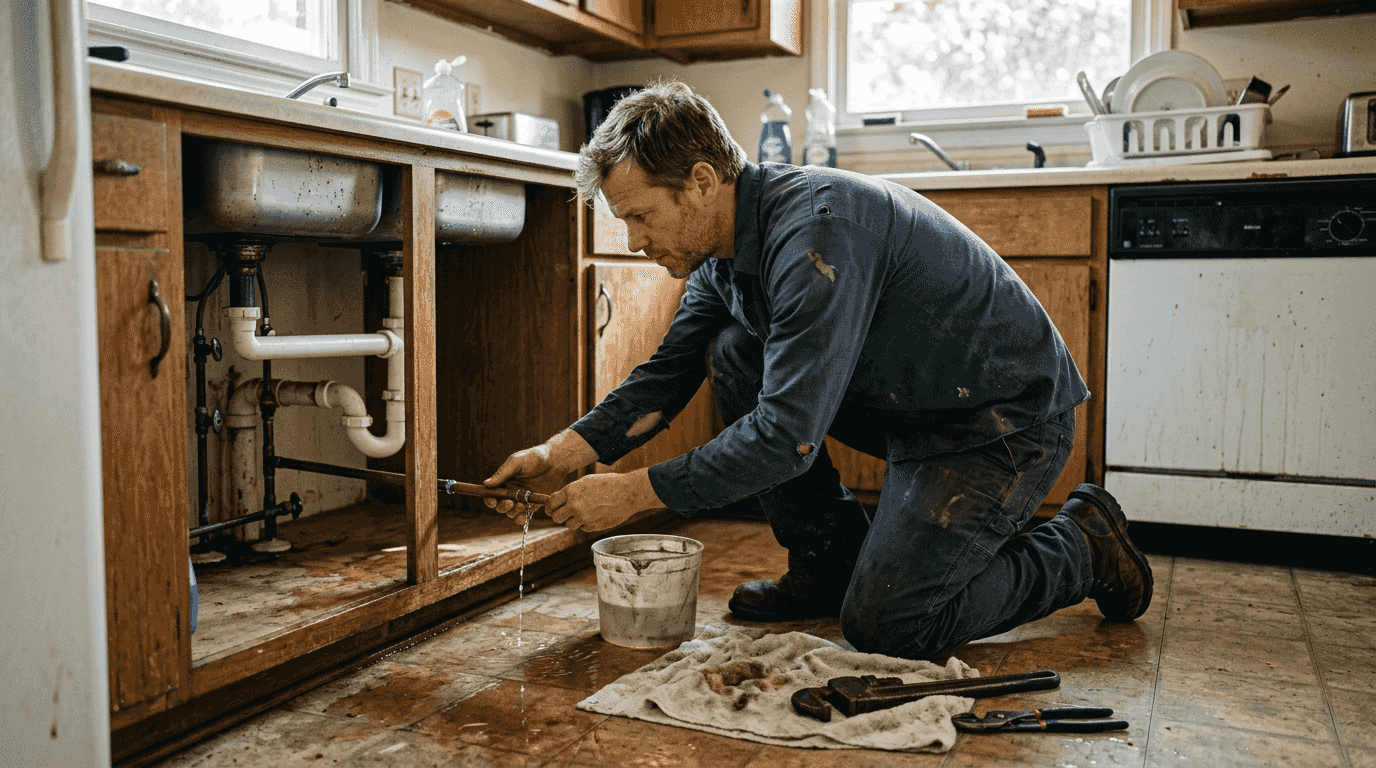
Category 2 gray water contains some contamination from sources like washing machines, dishwashers, or toilet overflow without feces. It may contain chemicals, bacteria, or other microorganisms that require careful handling. Coverage can vary depending on the source and your specific policy language. Gray water demands professional assessment because improper cleanup can escalate health risks.
Category 3 black water is highly contaminated and poses serious health threats. Sources include sewage backups, flooding from rivers or streams, and standing water that has promoted bacterial growth. Black water requires specialized remediation with full protective equipment and often involves removing porous materials entirely. These claims tend to be more expensive and complex, sometimes triggering coverage disputes if the source relates to flooding or sewer backup exclusions.
Pro Tip: Clean water can escalate to gray or black category within 24 to 48 hours if untreated. Photograph the water source immediately and note the time of discovery. This documentation proves the original category and supports your claim if the insurer tries to argue the damage was more severe initially. Quick action prevents category escalation and protects your coverage eligibility. Review water damage claim examples to see how documentation quality affects outcomes.
Comprehensive water damage assessment checklist
A systematic approach to assessment ensures you capture every detail insurers need while protecting your health and property. Proper documentation and adherence to policy timelines are essential for successful claims. Follow these steps in order to build a complete record that maximizes your claim value.
- Ensure safety first by turning off electricity in affected areas and avoiding standing water near electrical sources.
- Stop the water source if possible, such as shutting off the main water valve for pipe bursts or placing containers under active leaks.
- Document the scene immediately with photos and videos showing the water source, affected areas, and any visible damage to floors, walls, ceilings, and belongings.
- Note the date and time of discovery plus any relevant weather conditions or events that may have contributed.
- Contact your insurance company within 24 hours to report the claim and get instructions for next steps.
- Begin water removal and drying only after documenting everything, using fans, dehumidifiers, or professional services as needed.
- Preserve damaged items rather than discarding them until the adjuster inspects, keeping a detailed inventory with photos.
- Monitor for mold growth over the following days and weeks, documenting any appearance with photos and dates.
- Keep all receipts for emergency repairs, equipment rentals, temporary housing, and professional services.
- Maintain a written log of all communications with your insurer including dates, names, and conversation summaries.
Research shows that immediate action can reduce damage by up to 80% and claim costs by 30%. This benefits both you and your insurer, making prompt response a win for everyone. The table below compares documentation methods and their impact on claim approval.
| Documentation Type | Claim Value Impact | Best Practices |
|---|---|---|
| Timestamped photos | High credibility for extent and timeline | Take wide shots and close-ups of all damage |
| Video walkthroughs | Strongest evidence for adjuster review | Narrate what you’re showing and pan slowly |
| Written damage logs | Essential for tracking progression | Note date, time, location, and observations daily |
| Receipts and invoices | Required for reimbursement | Keep originals plus digital copies |
| Professional inspections | Expert validation increases payouts | Hire certified inspectors for mold or structural issues |
Mold presents a particular challenge because many policies exclude mold damage unless it results directly from a covered peril. Document any mold appearance with photos, dates, and professional inspection reports. This creates a clear timeline showing the mold resulted from the covered water damage, not from pre-existing conditions or negligence.
Pro Tip: Create a dedicated water damage claim file, either physical or digital, to organize all photos, videos, receipts, inspection reports, and correspondence. Label everything clearly with dates and descriptions. This organization impresses adjusters and speeds processing because you can instantly provide any requested documentation. Check out professional water damage steps and the water damage insurance checklist for additional guidance on documentation best practices.
Common pitfalls and expert recommendations for water damage claims
Even with a solid checklist, homeowners and business owners frequently make mistakes that jeopardize their claims. Understanding these pitfalls helps you avoid them and strengthens your position with insurers. Policy exclusions cause 35% of claim denials, making it critical to know what your policy actually covers before you assume protection.
The biggest mistake is failing to distinguish between flood damage and water damage. If external water enters your property from ground saturation, overflowing bodies of water, or surface runoff, you likely need flood insurance rather than standard homeowners coverage. Misclassifying the source leads to automatic denials. Always identify and document where the water originated.
Another common error is starting repairs before the adjuster inspects. While you should mitigate further damage by removing water and drying areas, don’t throw away damaged items or make permanent repairs until after the inspection. Insurers need to verify the damage themselves, and premature disposal eliminates evidence. Keep everything until you get explicit permission to discard it.
Delayed notification remains a frequent problem. Life gets chaotic after water damage, but insurers have strict reporting windows. Missing the deadline, even by a day, can void your coverage for that incident. Set a phone reminder to call your insurer immediately after ensuring safety and stopping the water source.
Many people also underestimate the value of professional help. Early legal consultation results in 2 to 3 times higher settlements compared to self-managed claims. Public adjusters and attorneys understand policy language, know how to negotiate, and can identify coverage you might miss. The cost of their services often pays for itself many times over through increased settlements.
“Homeowners who engage licensed public adjusters within the first 48 hours of water damage see significantly better outcomes. These professionals document damage comprehensively, understand insurer tactics, and negotiate from a position of strength. The difference in settlement amounts often exceeds 200% compared to policyholders who navigate claims alone.”
Best practices for maximizing your water damage claim include:
- Read your policy thoroughly before damage occurs so you know your coverage limits and exclusions
- Respond immediately to water intrusion with safety measures, source control, and documentation
- Communicate with your insurer in writing whenever possible to create a paper trail
- Never sign releases or accept settlements without reviewing them carefully or consulting an expert
- Keep detailed records of all expenses related to the damage including temporary housing and meals
- Follow up regularly on your claim status and document every interaction with adjusters
For more strategies, explore guides on maximizing water damage claims and understanding the water damage claims process to see how professionals approach these situations.
Get expert public adjuster support for your water damage claim in Georgia
Navigating water damage claims in Georgia requires expertise in policy language, documentation standards, and negotiation tactics that most homeowners and business owners simply don’t have. That’s where licensed public adjusters make the difference.
Public adjusters work exclusively for you, not the insurance company. They assess your damage thoroughly, prepare comprehensive documentation, and negotiate directly with insurers to maximize your settlement. In the Atlanta and Marietta areas, experienced adjusters understand Georgia’s specific insurance regulations and know exactly what local insurers require for claim approval. Their early involvement often means the difference between a lowball offer and full compensation for your losses. If you’re dealing with water damage, consider reaching out to Marietta public adjusting services or Atlanta public adjusting firms for a free evaluation. Professional guidance through the claims process takes the stress off your shoulders and puts money back in your pocket. Learn effective strategies in this insurance negotiation guide to see how experts approach insurer discussions.
Frequently asked questions
What is the difference between water damage and flood damage in Georgia insurance?
Water damage typically involves sudden incidents like burst pipes, appliance failures, or roof leaks from storms, all covered under standard homeowners policies. Flood damage involves external water intrusion from sources like overflowing rivers, ground saturation, or storm surge, which standard policies exclude. You need separate flood insurance for external water events. This distinction often causes claim disputes, so documenting the water source is critical. Review the difference between water and flood damage for detailed examples.
How soon should I notify my insurance company after discovering water damage?
Notify your insurer within 24 hours of discovering water damage to comply with policy terms and avoid automatic denial. Most Georgia policies require prompt notification, and delays can void coverage even for otherwise valid claims. Quick notification also enables faster claims processing and may provide access to emergency mitigation services your insurer offers. Check the insurance notification timeline for specific steps to take immediately after discovery.
What types of water damage are usually covered by homeowners insurance in Georgia?
Typically, sudden and accidental water damage from internal sources like burst pipes, water heater failures, or appliance malfunctions receives coverage. Damage from external floods, gradual leaks due to poor maintenance, or negligence like leaving windows open during storms is generally excluded. Each policy differs, so review your specific coverage limits and exclusions carefully. For comprehensive coverage details, see this guide on coverage for water damage types.
Do I need to hire a professional to assess water damage before filing a claim?
While not legally required, professional assessment significantly improves claim outcomes by providing expert documentation, identifying hidden damage, and establishing accurate repair costs. Professionals understand what insurers need to see and can prevent common mistakes that lead to denials or lowball settlements. The investment in professional assessment typically returns much higher settlements than self-managed claims.
Can I start repairs immediately after water damage occurs?
You should take immediate steps to prevent further damage like removing standing water and drying affected areas, but avoid permanent repairs or discarding damaged items until after your insurer’s adjuster inspects. Document everything before any cleanup begins. Emergency mitigation is expected and covered, but premature permanent repairs can complicate your claim by eliminating evidence the adjuster needs to verify.